
 By
By 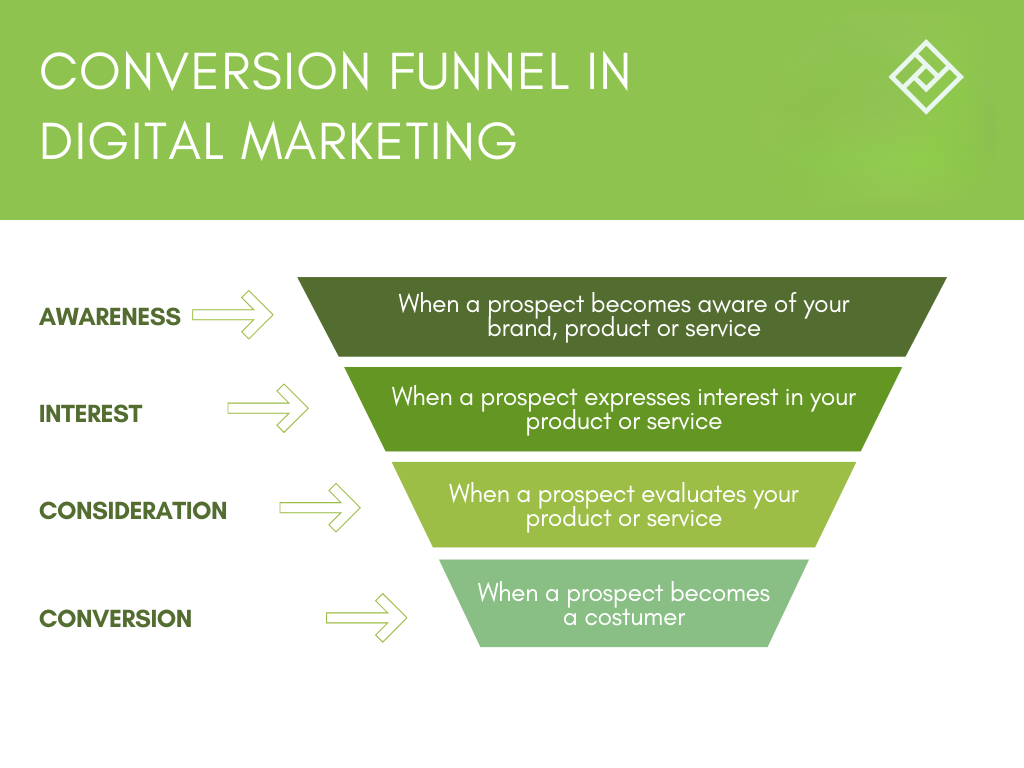
In the fast-paced and ever-evolving world of digital marketing, businesses, including countertop shops, must stay on top of their game to remain competitive and successful. The key to achieving online success lies in understanding the conversion funnel and leveraging it effectively. A well-designed conversion funnel can significantly boost the performance of a countertop shop’s digital marketing efforts, leading to increased sales and brand recognition. In this article, we will delve into the concept of the conversion funnel and explore how countertop shops can optimize their digital marketing strategies.
What is the Conversion Funnel?
The conversion funnel, also known as the marketing or sales funnel, is a conceptual model that represents the various stages a potential customer goes through before making a purchase. It visualizes the customer journey from awareness to consideration and finally to the point of conversion, where a sale is made. The conversion funnel typically consists of the following stages:
- Awareness: At the top of the funnel, prospective customers become aware of the existence of your countertop shop through various channels like social media, search engines, online ads, or word-of-mouth.
- Interest: Once aware, potential customers may express interest in your products or services by visiting your website, reading blog posts, or engaging with your social media content.
- Consideration: In this stage, potential customers are actively considering your countertops as a viable solution to their needs. They might compare your offerings with competitors, read reviews, and seek more information.
- Intent: At this point, customers have made a decision to purchase countertops from your shop, and they are ready to take action.
- Purchase: The final stage is where the conversion occurs. The prospect becomes a paying customer, completing the transaction and acquiring your countertops.
Optimizing the Conversion Funnel for Countertop Shops
- Create Engaging Awareness: To attract potential customers to your countertop shop, focus on building a strong online presence. Utilize social media platforms, content marketing, and search engine optimization (SEO) to increase visibility and create engaging content that resonates with your target audience.
- Educate and Build Interest: Provide valuable content on your website, such as blog posts, articles, and videos, that educates potential customers about different types of countertops, their benefits, and maintenance tips. This will build trust and interest in your products.
- Highlight Unique Selling Points: Differentiate your countertop shop by showcasing what sets you apart from competitors. Whether it’s high-quality materials, exceptional customer service, or unique designs, emphasize these selling points to attract customers during the consideration stage.
- Offer Interactive Tools: Consider providing interactive tools on your website, such as a virtual room visualizer or a countertop cost calculator. These tools can help potential customers envision your countertops in their space and make informed decisions.
- Encourage Customer Reviews: Positive reviews and testimonials can significantly influence a potential customer’s decision. Encourage satisfied customers to leave feedback and share their experiences, both on your website and on relevant review platforms.
- Streamline the Purchase Process: Make the purchasing process on your website as seamless as possible. Implement a user-friendly interface, secure payment options, and clear calls-to-action to avoid any friction that might lead to cart abandonment.
- Retargeting and Follow-up: Not all potential customers convert on their first visit. Implement retargeting strategies to re-engage those who didn’t make a purchase. Send follow-up emails with personalized offers or reminders to nurture leads and encourage them to return.
Analyzing and Improving the Funnel
It is essential to monitor and analyze the performance of each stage in the conversion funnel. Tools like Google Analytics can provide valuable insights into user behavior, traffic sources, and conversion rates. By identifying weak points in the funnel, countertop shops can make data-driven improvements to optimize their digital marketing efforts further.
In conclusion, understanding the conversion funnel is crucial for the success of countertop shops in the digital marketing landscape. By strategically guiding potential customers through the stages of awareness, interest, consideration, intent, and purchase, countertop shops can increase their online presence, engage with their target audience effectively, and ultimately boost sales and revenue. With continuous analysis and refinement, countertop shops can stay ahead of the competition and thrive in the competitive world of digital marketing.